| FOM-10.11 |
Fleet Operations Manual FOM Standard Under Water Blanking Arrangement |
Doc No.: FOM 10.11
Revision: 01 Date: 15 Oct 2024 Issued by: DPA Approved by: MD |
1 PLUGS
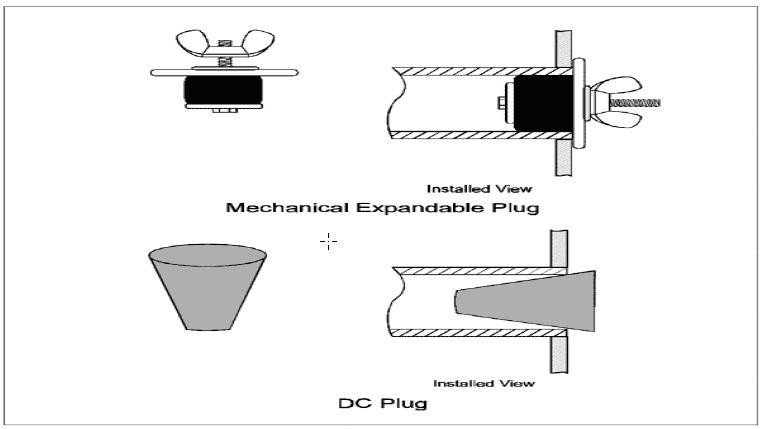
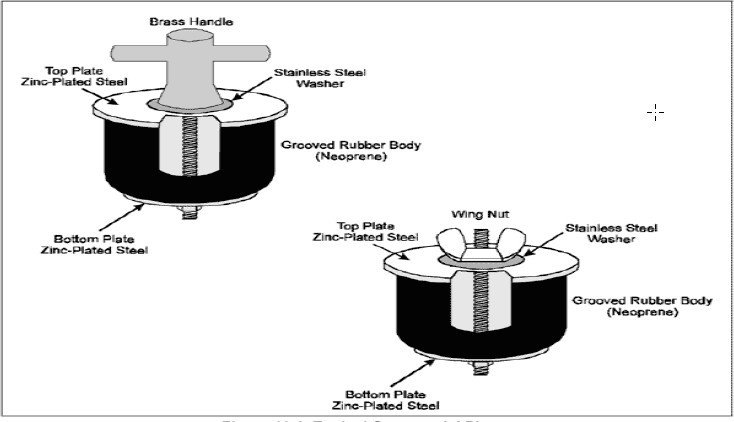
The simplest blanks used in operations are plugs. There are two types of plugs used, the wooden damage control (DC) plug and the expandable mechanical plug. Plugs can be used to seal round hull penetrations that have no screens or bars to use as attachment points. Examples of these kinds of penetrations include pump discharge piping, blow-down piping, and dead lights. It is recommended that plug to be used for opening of 50mm to 200mm only, anything above that blanking methods to be applied.
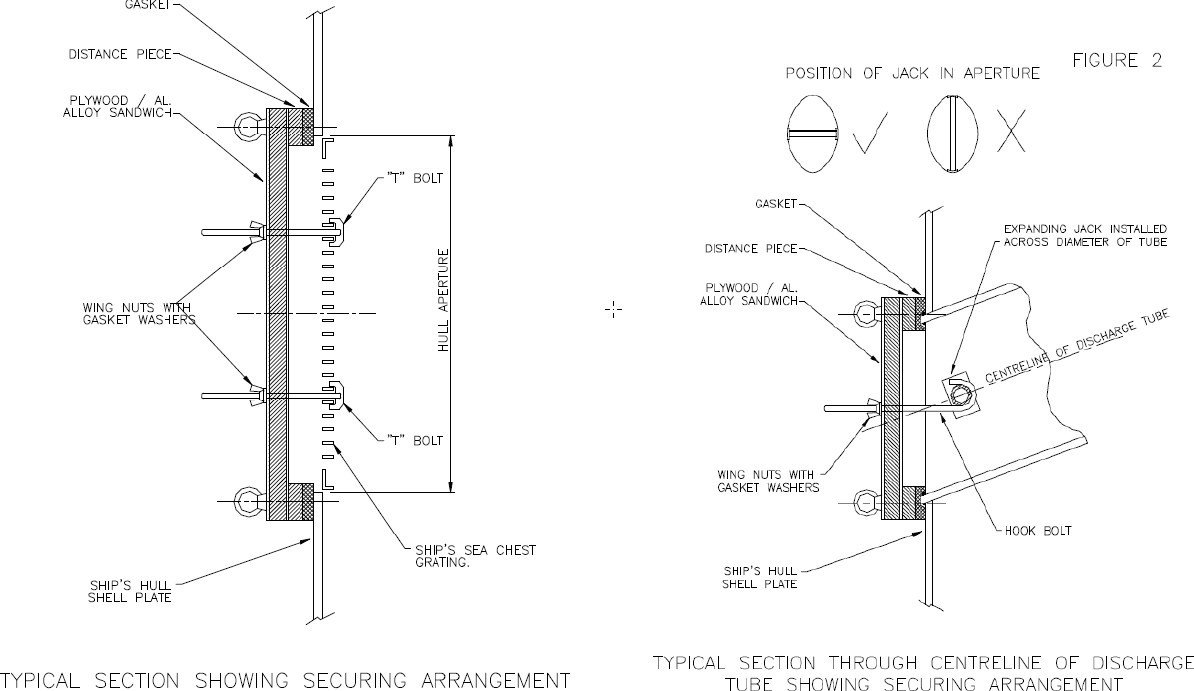
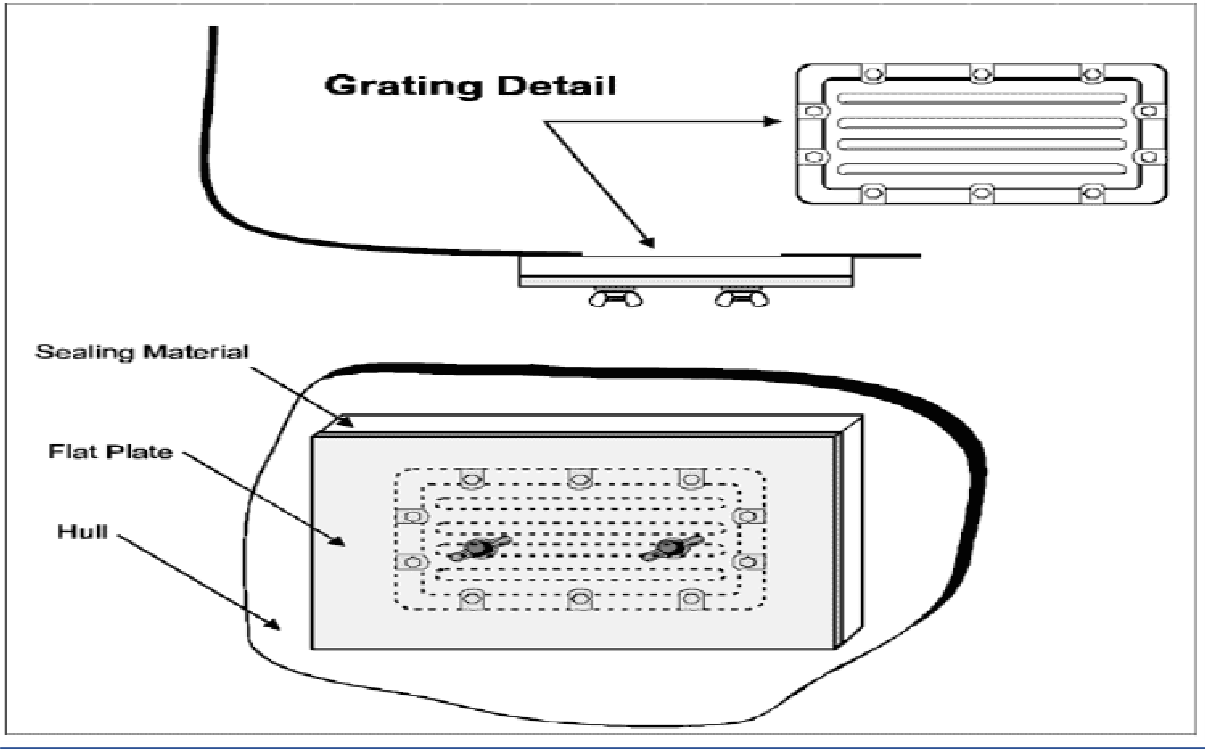
The simplest form of a patch is one made out of a single plate of metal or wood. As the name implies, this form of patch lies flat on the hull when it is secured in place. The unit is sized and shaped to rest flat and uniformly against the surrounding hull surface, thereby blanking off the hull opening. If the area to be covered is contoured, accurate templating is necessary to properly shape the unit during fabrication, depending on the stiffness of the material and curvature of the hull area. Because of its configuration, a flat patch is effective only if the hull surface is reasonably fair and free of any projections, distortions, or fittings. As the size and load carrying requirements increase, flat patches are often reinforced with stiffeners.
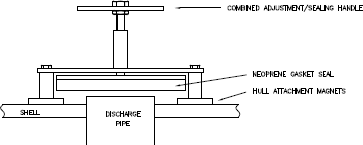
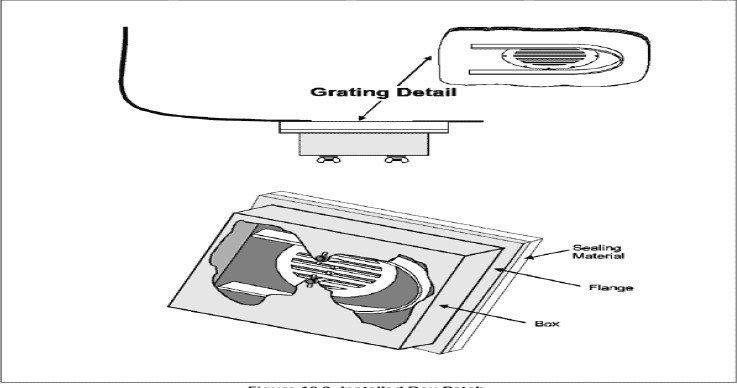
The box patch is essentially a flat patch with sides, with the open side of the box facing the hull. It mates to and seals against the hull surface through a flange and gasket along its open side. Sealing a main circulating pump or fire pump sea chest to allow maintenance to be performed from inside the ship is a typical box patch application. It can be constructed to cover any projections or fittings near the opening to be enclosed. If the area to be covered is contoured, then accurate templating is necessary to properly shape the unit during fabrication.
4 SEA CHEST CONSTRCUTION AND TYPICAL BLANKING